Can Ayurveda Cure PCOS Permanently? A Doctor Explains the Truth
✅ The Short Answer:
PCOS cannot be 'cured' but can be put into complete remission through Ayurveda. The key mechanism is correcting the Kapha-Vata Dosha imbalance that causes insulin resistance and anovulation. With 3-6 months of Agni correction (digestive fire optimization), Lekhana herbs like Kanchanar Guggulu, and strict Dinacharya (daily routine), most patients achieve regular ovulatory cycles without long-term medication.
— Dr. Arti Singh (BAMS)
Medically Reviewed by Dr. Arti Singh (B.A.M.S.) | Last Updated: January 6, 2026 | Next Review Date: July 2027
Educational Purpose: The information in this article is written for educational and general information purposes only. It is not intended to be a substitute for professional medical advice, diagnosis, or treatment. Always consult a certified B.A.M.S. Ayurvedic physician or your primary healthcare provider before starting any herbal regimen, especially if you are currently taking hormonal or prescription medication.
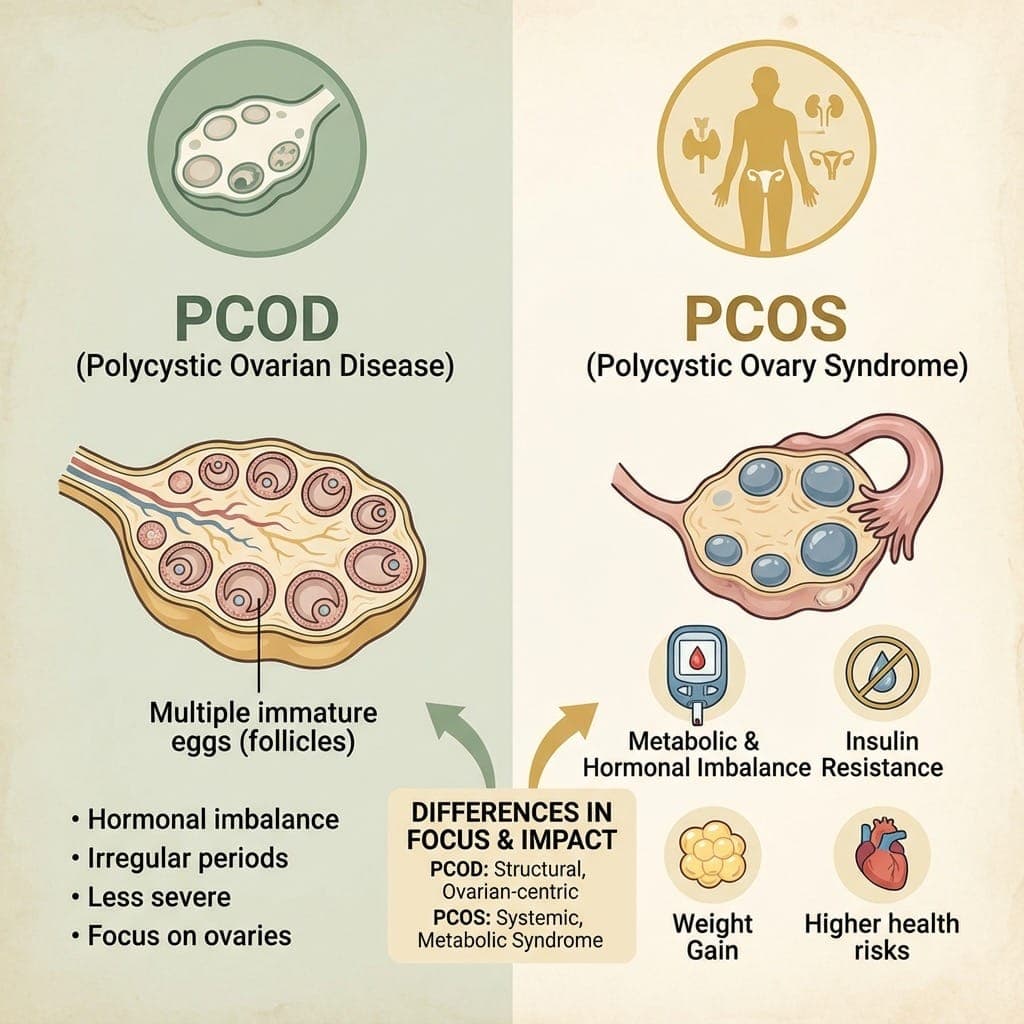
Polycystic Ovary Syndrome (PCOS) has become one of the most common endocrine disorders affecting women of reproductive age globally. In my clinical practice in Patna, I have witnessed a surge in cases where young women present with irregular cycles, weight gain, acne, and distressing hair growth. While modern medicine often focuses on symptom management through hormonal contraceptives, Ayurveda offers a profound, root-cause perspective that seeks to restore the body's innate intelligence and balance.
Understanding PCOS: The Ayurvedic Perspective
In Ayurveda, we do not view PCOS as a singular disease but as a complex manifestation of imbalances involving all three Doshas—Vata, Pitta, and Kapha—along with the corruption of specific body tissues (Dhatus).
Though not explicitly termed "PCOS" in ancient texts like the Charaka Samhita, the symptoms correlate closely with Aarthava Kshaya (deficiency of menstrual flow) and Granthi (cyst formation).
The Dosha Connection
- Kapha Imbalance: This is often the primary driver. Aggravated Kapha manifests as weight gain, slow metabolism, insulin resistance, and the physical formation of cysts (which are essentially accumulations). It creates distinct heaviness and lethargy in the body.
- Vata Imbalance: Vata governs movement. When Vata is disturbed, specifically Apana Vayu (the downward moving energy), it disrupts the menstrual cycle, leading to irregular periods, scanty flow, or painful menstruation (dysmenorrhea).
- Pitta Imbalance: While less dominant than Kapha/Vata, Pitta aggravation creates the inflammatory aspects of PCOS, such as acne, excessive hair growth (hirsutism), and hair loss/thinning, which are linked to excess heat in the blood tissue (Rakta Dhatu).
Root Causes (Nidana) in Modern Life
Why is PCOS rising? Ayurveda points to Mithya Aahara Vihara—improper diet and lifestyle. Examining these causes is the first step toward healing.
Dietary Triggers
- Excessive intake of refined sugar and carbohydrates
- Consumption of incompatible foods (Viruddha Aahara)
- Heavy, oily, and fried foods that increase Kapha
- Irregular meal timing disrupting digestive fire (Agni)
Lifestyle Factors
- Sedentary lifestyle (Avyaayaama)
- Daytime sleeping (Divaswapna)
- High stress increasing cortisol levels
- Disrupted circadian rhythms (sleeping late)
The Ayurvedic Approach to Management
Our treatment protocol at Ayureva is never "one size fits all." It follows a clear path: Shodhana (Purification) followed by Shamana (Pacification).
1. Correcting Metabolism (Agni Deepana)
Before we can treat the ovaries, we must treat the gut. Most PCOS patients suffer from Mandagni (low digestive fire), creating toxic undigested waste called Ama. This Ama blocks the channels (Srotas) of the body.
Clinical Insight: We often start patients with simple spices like Trikatu (Ginger, Black Pepper, Long Pepper) or Cumin-Coriander-Fennel tea to burn Ama and ignite digestion.
2. Dietary Modifications (Pathya Aahara)
Food is medicine. The goal is to reduce Kapha and normalize insulin sensitivity.
- Favor: Bitter and astringent foods (leafy greens, fenugreek), ancient grains like Barley (Yava) which specifically scrapes Kapha, and spices like Turmeric and Cinnamon.
- Avoid: Dairy (especially cold yogurt), refined flour (Maida), sugary fruits, and processed snacks.
3. Herbal Support
Note: Herbs should only be taken under guidance.
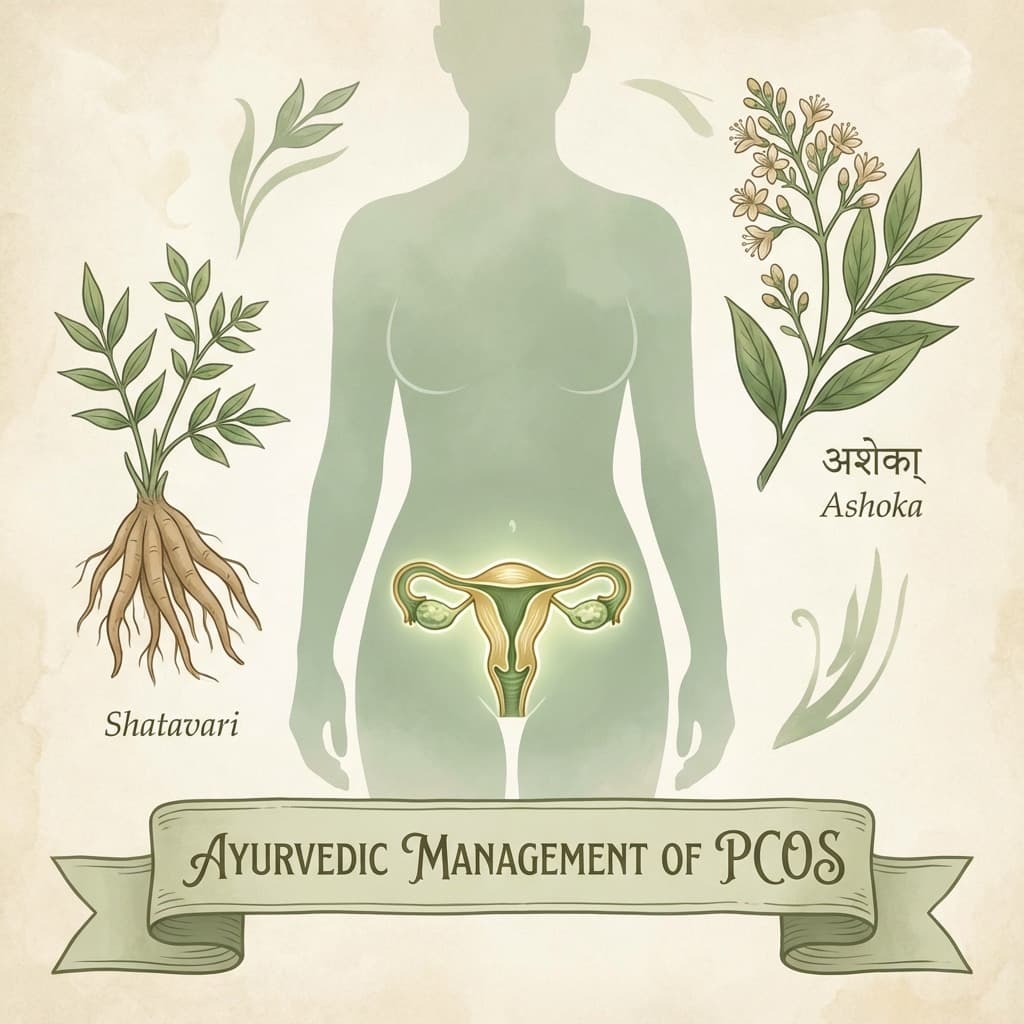
- Shatavari: Often misunderstood. While known for female health, it is heavy (Guru). We use it cautiously in PCOS, primarily when Vata or Pitta is high, to nourish the reproductive tissues.
- Ashoka & Lodhra: The bark of the Ashoka tree is a friend to the uterus. It is a powerful uterine tonic used to regulate cycles and reduce heavy bleeding.
- Kanchanar Guggulu: Specifically indicated for "Granthi" (cysts/growths). It helps in scraping away the cystic accumulations in the ovaries.
- Guduchi (Giloy): An excellent immunomodulator that helps clear deep-seated inflammation and balance blood sugar.
Scientific Perspective & Safety
While Ayurveda is ancient, modern research is beginning to validate its principles. Studies suggest that ingredients like Cinnamon (Twak) can improve insulin sensitivity comparable to some pharmaceuticals, without the gastrointestinal side effects.
Similarly, yoga therapy has been clinically shown to reduce androgen levels. Asanas like Surya Namaskar (Sun Salutations), Bhujangasana (Cobra Pose), and Paschimottanasana (Seated Forward Bend) apply gentle pressure to the abdominal-pelvic region, stimulating the ovaries and improving circulation.
Safety Warning
Who should avoid self-medication?
- Pregnant women or those actively trying to conceive (some herbs promote menstruation).
- Women on existing hormonal treatments or diabetes medication (risk of hypoglycemia).
- Those with liver conditions.
Always maintain a gap of at least 60 minutes between Ayurvedic medicine and Allopathic medication.
Lifestyle as Therapy (Vihara)
Recovery from PCOS requires a shift in how you live.
The Role of Sleep: Sleep is when the body repairs. Going to bed by 10 PM ensures you sleep during the Pitta time of night, allowing the liver to detoxify effectively. Late nights disturb Vata, worsening irregular cycles.
Stress Management: High stress elevates cortisol, which directly impacts progesterone production. We integrate Pranayama (controlled breathing) specifically Anulom Vilom and Bhramari to calm the central nervous system.
Frequently Asked Questions
Can Ayurveda manage PCOS long-term?
PCOS is a metabolic condition. While absolute resolution is rare, remission is entirely possible. With consistent lifestyle changes and Ayurvedic treatment, most women can achieve regular, ovulatory cycles and symptom freedom without long-term medication.
How long does Ayurvedic treatment take?
Results vary. Typically, patients see improvements in energy and digestion within 2-4 weeks. Regulating the menstrual cycle often takes 3-6 months depending on the chronicity of the condition.
Do I have to stop eating sugar completely?
Reducing refined sugar is non-negotiable for PCOS due to insulin resistance. However, Ayurveda allows natural sweeteners like Honey (in moderation) when Kapha is high, or Jaggery/Dates when Vata needs grounding.
Final Words from Dr. Arti
A Note on Consistency: Ayurveda is not a magic pill; it is a discipline. It took years for the imbalance to manifest as PCOS, so give your body at least 3-6 months to reverse it. Do not give up if you don't see results in week 1. The seed is growing underground.
Ayurvedic Breakfasts for PCOS (Avoid the Cereal Trap)
The worst thing a PCOS patient can do is eat cold cereal or sugary smoothies for breakfast. This spikes insulin and dampens Agni (digestive fire). Here are 3 PCOS-safe options:
1. Besan Chilla (Chickpea Flour Pancakes)
High protein, low glycemic index. Add ginger and ajwain to reduce bloating. This pacifies Kapha.
2. Moong Dal Khichdi (Dry Version)
Made with green gram and vegetables. The astringent taste (Kashaya rasa) of Moong helps scrape fat.
3. Warm Spiced Apples
Stewed apples with cinnamon and cloves. Light, easy to digest, and curbs sugar cravings instantly.
Ayurvedic Mental Health (Manas Chikitsa) for PCOS
Modern medicine treats the ovaries, but Ayurveda treats the woman. You cannot heal your hormones if you hate your body. PCOS is often linked to suppressed creativity and "stuck" energy in the Svadhishthana (Sacral) Chakra.
The "Emotional Detox" Protocol
- Journaling: Write down your frustrations. PCOS manifests as "Kapha" stagnation—holding onto emotions. Let them flow onto paper.
- Creativity: Paint, dance, or sing. The reproductive organs are the seat of creativity. If you don't birth ideas, the energy stagnates as cysts.
- Moon Gazing (Trataka): Staring at the moon cools the Pitta mind and regulates the menstrual cycle (which is lunar).
Dr. Arti's Kitchen Pharmacy
Forget expensive supplements. Your kitchen has everything you need.
1. Cinnamon (Twak)
Action: Mimics insulin. Improves sensitivity.
How: 1/2 tsp in warm water every morning.
2. Fenugreek (Methi)
Action: Scrapes Kapha (Lekhana) and busts cysts.
How: Soak 1 tsp overnight. Chew seeds + drink water.
3. Turmeric (Haridra)
Action: Anti-inflammatory and blood purifier.
How: Golden Milk (Haldi Doodh) at night with a pinch of black pepper.
4. Spearmint Tea
Action: Reduces free testosterone (Hirsutism).
How: 2 cups daily for clear skin and less facial hair.
Cycle Syncing: The Ayurvedic Way (Ritucharya for Hormones)
In Ayurveda, your menstrual cycle is a microcosm of the seasons. You cannot eat the same food every day because your internal season changes every week. Aligning your diet with these phases reduces the load on your endocrine system.
Phase 1: Menstruation (Winter/Vata) - Days 1-5
Energy: Low. The body is cleansing (Apana Vayu active).
Diet: Warm, liquid, cooked foods. Soups, Khichdi, Stews. Avoid raw salads and cold smoothies.
Exercise: Rest. Gentle walking only. No inversions.
Phase 2: Follicular (Spring/Kapha) - Days 6-14
Energy: Building. Estrogen rises.
Diet: Light, fresh foods. Steamed vegetables, sprouted grains (Moong), fermented foods to build the microbiome.
Exercise: Vigorous cardio or Vinyasa Yoga to invigorate Kapha.
Phase 3: Ovulation (Summer/Pitta) - Days 15-17
Energy: Peak. High body temperature.
Diet: Cooling foods. Cucumber, Coconut water, Aloe Vera. Limit spicy/fried foods.
Exercise: High intensity is okay, but stay hydrated.
Phase 4: Luteal (Autumn/Vata) - Days 18-28
Energy: Winding down. Progesterone rises (or should rise). PMS hits if Vata is high.
Diet: Grounding foods. Root vegetables (Carrots, Sweet Potato), Sesames seeds, Ghee to calm the nervous system.
Exercise: Strength training or Hatha Yoga. Focus on stability.
Seed Cycling: Nature's Hormone Replacement
Seeds contain lignans and essential fatty acids that mimic hormones. This ancient protocol helps balance Estrogen and Progesterone naturally.
Phase 1 (Day 1-14)
Seeds: 1 tbsp Flax Seeds + 1 tbsp Pumpkin Seeds (Ground).
Why: Flax lignans bind to excess estrogen (preventing dominance), while Pumpkin seeds provide Zinc for follicle development.
Phase 2 (Day 15-28)
Seeds: 1 tbsp Sesame Seeds + 1 tbsp Sunflower Seeds (Ground).
Why: Sesame lignans block excess estrogen, while Sunflower seeds provide Vitamin E to support Progesterone production (crucial to prevent PMS).
Yoga & Pranayama Protocol for PCOS
You cannot run away from PCOS; you have to flow through it. The right Asanas massage the reproductive organs and lower cortisol.
- Surya Namaskar (Sun Salutations): 12 rounds daily. This boosts metabolism (Agni) and reduces Kapha stagnation.
- Badhakonasana (Butterfly Pose): Opens up the pelvic region and improves circulation to the ovaries.
- Bhujangasana (Cobra Pose): Compresses the lower back and massages the ovaries/uterus.
- Kapalbhati Pranayama: "Skull Shining Breath." The rhythmic pumping action stimulates the pancreas (insulin) and ovaries. (Avoid during menstruation).
- Anulom Vilom (Alternate Nostril Breathing): Balances the left (Moon/Female) and right (Sun/Male) energies of the body, correcting hormonal polarity.
Scientific References
1. Seed Cycling efficacy: Studies on phytoestrogens (Dietary Lignans) show they can modulate estrogen receptor activity, potentially reducing symptoms of estrogen dominance in PCOS.
2. Yoga & PCOS: A randomized control trial published in the International Journal of Yoga demonstrated that 12 weeks of holistic Yoga significantly reduced AMH, LH/FSH ratio, and testosterone levels in adolescent PCOS patients.
Healing from PCOS is a journey of reconnecting with your body's rhythm. It is not about fighting your body, but understanding its language. If you are struggling with irregular periods, weight gain, or fertility issues, know that you are not alone, and natural solutions exist. Start with small changes today—warm water in the morning, an earlier bedtime, or swapping refined sugar for whole foods.
To your health and balance,
Dr. Arti Singh, BAMS
Looking for Individualized Guidance?
Because Ayurveda is highly personalized to your unique body type (Prakriti) and specific Dosha imbalance, generic advice can only go so far. If you want a tailored protocol, you can schedule a private video consultation with Dr. Arti Singh.
Book Video ConsultationScientific References & Citations
Our content relies on classical clinical texts, academic research databases, and peer-reviewed studies to ensure clinical accuracy.
- World Health Organization (WHO). (2019). WHO Benchmarks for Training in Ayurveda. Geneva: World Health Organization.
- National Center for Complementary and Integrative Health (NCCIH). (2023). Ayurvedic Medicine: In Depth. U.S. Department of Health and Human Services.
- Agnivesha. (2018). Charaka Samhita. (T. Acharya, Ed.). Varanasi: Chaukhambha Sanskrit Sansthan (Original work compiled circa 1000 BCE).
- Sushruta. (2017). Sushruta Samhita. (P. V. Sharma, Trans.). Varanasi: Chaukhambha Visvabharti (Original work compiled circa 600 BCE).
- Central Council for Research in Ayurvedic Sciences (CCRAS). (2020). Journal of Research in Ayurvedic Sciences (JRAS). New Delhi: Ministry of AYUSH, Government of India.
Reviewed by Dr. Arti Singh
B.A.M.S. (Ayurvedacharya) • Reg. No: 4200 (Bihar)
Dr. Arti Singh is a licensed Ayurvedic physician specializing in women's health, PCOS, and hormonal disorders. With a focus on evidence-based Ayurveda, she combines ancient clinical texts (Charaka Samhita) with modern diagnostic understanding to help patients achieve remission naturally.
View Full Credentials