Ayurvedic Treatment for Anxiety & Overthinking: Calm the Vata Mind
✅ The Short Answer:
Anxiety is a Vata disorder — excess air element creates racing thoughts, worry spirals, and restless energy. Ayurveda's anti-anxiety protocol: Brahmi (Bacopa) calms neural hyperactivity, Ashwagandha reduces cortisol by 27% (clinically proven), Jatamansi (Spikenard) is Ayurveda's natural anxiolytic that regulates GABA. The lifestyle fix: warm sesame oil foot massage before bed grounds Vata instantly, and Nasya (nasal oil) with Brahmi Ghrita directly calms the mind. Most patients feel noticeably calmer within 2-3 weeks.
— Dr. Arti Singh (BAMS)
Medically Reviewed by Dr. Arti Singh (B.A.M.S.) | Last Updated: January 31, 2026 | Next Review Date: July 2027
Educational Purpose: The information in this article is written for educational and general information purposes only. It is not intended to be a substitute for professional medical advice, diagnosis, or treatment. Always consult a certified B.A.M.S. Ayurvedic physician or your primary healthcare provider before starting any herbal regimen, especially if you are currently taking hormonal or prescription medication.
"I am physically tired, but mentally, I am running a marathon."
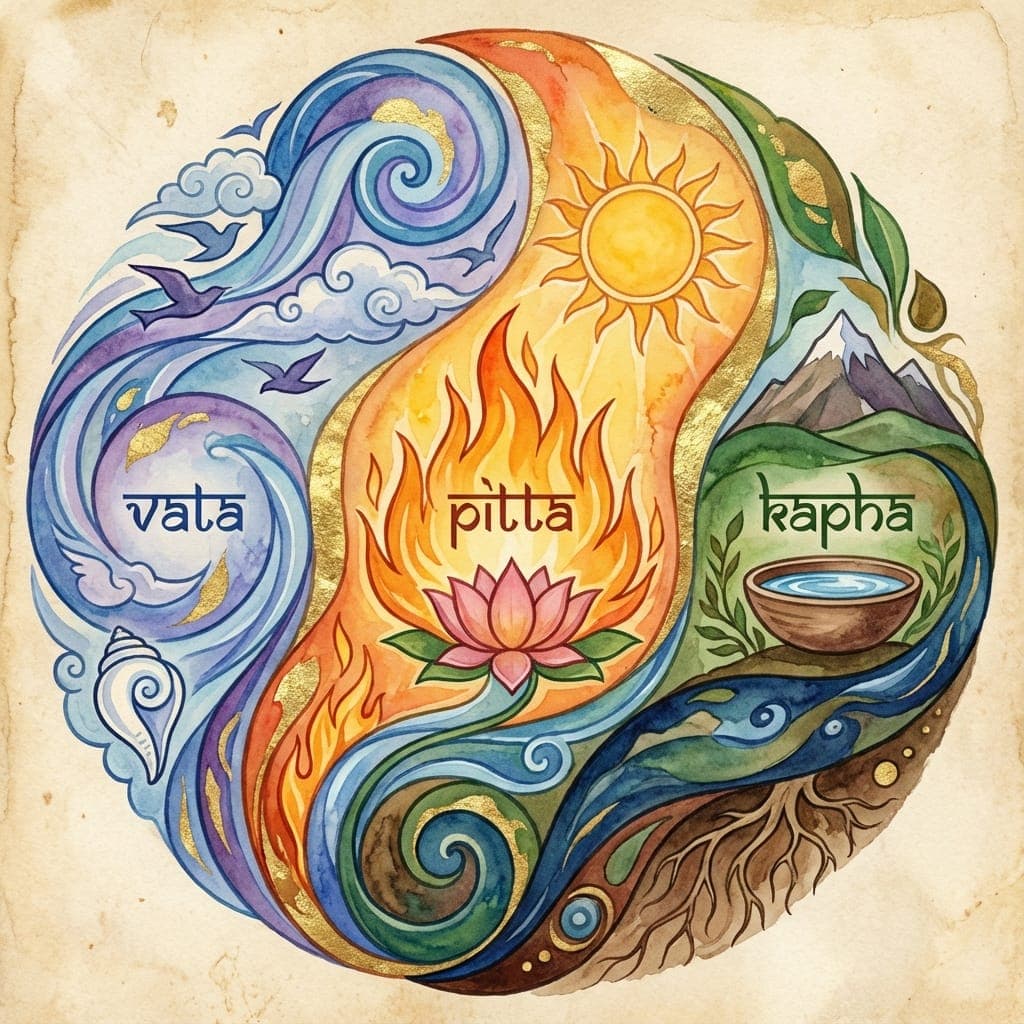
Anxiety is the disease of the modern age.In Ayurveda, we call it ** Chitta Udvega **. It is almost always caused by an imbalance of ** Vata Dosha ** (Air / Wind) and ** Rajo Guna ** (Motion). When there is too much "movement" in the mind, thoughts fly around like dry leaves in a storm.
The Root Cause: Air in the Brain
What increases Vata ?
- Sensory Overload: Too much scrolling (screen time).
- Multi - tasking: Doing 10 things at once splits your Prana.
- Dry Food: Salads, crackers, and coffee increase internal dryness.
The Solution: Grounding(Prithvi Tattva)
To stop the wind, you need a mountain.You need heaviness, warmth, and oil.
1. Brahmi(The Brain Tonic)
Specific for the mind(Medhya Rasayana).It enhances memory but also calms the nerves. * Tip: Take 1 tsp of Brahmi Ghee with warm milk at night.*
2. Ashwagandha(The Horse Strength)
It gives you the resilience to handle stress.It lowers Cortisol and stabilizes the mood.It is a heavy herb, perfect for grounding Vata.
3. Nutmeg(Jaiphal)
A pinch of fresh grated nutmeg in warm milk is a natural sedative.It stops the racing thoughts instantly.
Shirodhara: The Ultimate Therapy
Pouring a continuous stream of warm oil on the "Third Eye" point. This physically settles the Vata in the head.It is said to induce a state of "Turiya"(Deep trance) within 45 minutes.It is the most powerful treatment for anxiety.
Pranayama: 4 - 7 - 8 Breathing
The breath is the remote control of the mind. ** Technique:** Inhale for 4s, Hold for 7s, Exhale for 8s. This forces the parasympathetic nervous system(Rest & Digest) to switch on.
The "4-7-8" Breathing for Anxiety
This simple Pranayama technique hacks your Vagus nerve to switch off panic instantly.
1. Inhale through nose for 4 seconds.
2. Hold breath for 7 seconds.
3. Exhale through mouth (whoosh sound) for 8 seconds.
Do this 4 times. It is physically impossible to remain anxious after this because it forces your heart rate to slow down.
Satvavajaya: Ayurvedic Psychotherapy
Ayurveda doesn't separate mind and body. "Satvavajaya" means "Victory of Truth." It involves retraining the mind to move away from harmful objects (stressors) towards wholesome ones.
Technique: "Pratipaksha Bhavana" (Cultivating the opposite). When you feel fear (Vata), consciously visualize safety and grounding (Kapha), like a mountain or a heavy stone.
Conclusion: You Are Not Your Anxiety
Anxiety is just a "Vata imbalance." It is a physiological state, not a character flaw. By grounding your energy with oil, warmth, and routine, you can dissipate the storm and find your calm center again.
Bonus Chapter: Yoga Nidra Script
When anxiety prevents sleep, do Yoga Nidra (Yogic Sleep).
1. Lie on your back (Savasana).
2. Visualize a blue light moving from your toes to your head.
3. Say to yourself: "My toes are sleeping. My ankles are sleeping..."
4. This systematic rotation of consciousness shuts down the Sympathetic Nervous System (Fight/Flight) and engages the Parasympathetic (Rest/Digest).
20 minutes of Yoga Nidra equals 4 hours of deep sleep.
💡 Quick Fix: The "Safety Anchor"
When anxiety hits, find 5 things you can see, 4 things you can feel, 3 things you can hear, 2 things you can smell, and 1 thing you can taste. This 5-4-3-2-1 technique instantly forces the Vata back into the body.
4. Is coffee causing my anxiety?
100% Yes. Coffee mimics the "Fight or Flight" response by spiking adrenaline. If you are Vata/Anxious, coffee is liquid anxiety. Switch to Matcha or warm Golden Milk.
"Worrying does not empty tomorrow of its sorrow. It empties today of its strength." - Corrie Ten Boom
Frequently Asked Questions
1. Can Ayurveda treat panic attacks?
Yes. Panic attacks are a "Vata Storm" in the nervous system. Immediate remedies like Nasya (oil in nose) and deep grounding massage with heavy oils stop the storm in its tracks.
2. Is Ashwagandha safe for everyone?
Generally yes, but it can be heating for high-Pitta people. If you feel angry or hot after taking it, switch to Brahmi or Shankhpushpi which are cooling.
3. How long to see results?
Herbs like Brahmi start working in 45 minutes for acute stress. Chronic anxiety rewiring takes about 3 months of consistent Nasya and diet changes.
Final Words
The Role of Trauma in Chronic Anxiety
Unresolved trauma keeps the nervous system in perpetual hypervigilance. Ayurveda recognizes this as "Samskara"—deep mental impressions that create habitual fear responses. While herbs and diet help calm symptoms, trauma-informed therapy (EMDR, somatic experiencing) addresses root causes. An integrative approach combines both.
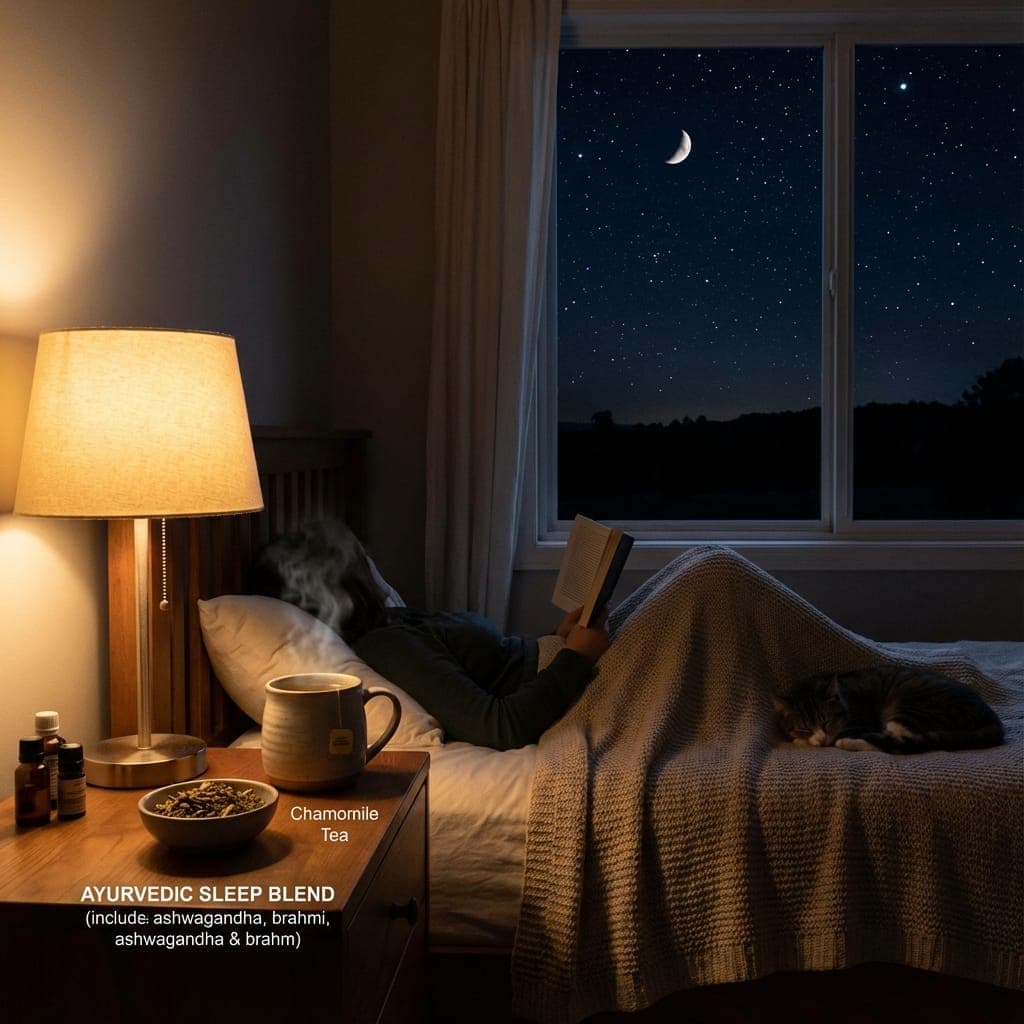
Important Note on Sleep: If anxiety prevents sleep, take Ashwagandha or Jatamansi 1-2 hours before bed (not right before—they need time to work). Combine with warm milk, nutmeg (1/4 tsp), and foot massage. Sleep is non-negotiable for healing anxiety—without it, no protocol will work fully.
Community Support: Isolation worsens anxiety. Join support groups (online or local), practice group meditation, or simply spend time with calming people. Vata needs "anchoring" through safe relationships and routine community practices.
Understanding Anxiety Through the Ayurvedic Lens
Modern psychiatry diagnoses anxiety disorders (GAD, panic disorder, social anxiety), but Ayurveda sees anxiety as excess Vata in the mind (Manasika Vata Prakopa). When Vata—the principle of movement and change—becomes aggravated in the nervous system, it creates racing thoughts, restlessness, fear, and insomnia.
The 5 Signs of Mental Vata Imbalance:
- Racing Thoughts: Mind jumps from worry to worry, can't settle
- Restlessness: Can't sit still, fidgeting, pacing
- Fear & Worry: Catastrophic thinking, "what if" spirals
- Insomnia: Difficulty falling asleep or waking at 2-4 AM (Vata time)
- Physical Symptoms: Trembling, heart palpitations, dry mouth, cold hands/feet
The Gut-Brain Axis: Why Anxiety Starts in Your Stomach
90% of serotonin (the calming neurotransmitter) is produced in the gut, not the brain. When digestion is weak (Manda Agni) and the gut is inflamed, serotonin production drops—leading to anxiety.
This is why many anxious people also have IBS, bloating, or poor appetite.
Ayurveda knew this 5000 years ago: "The seat of Vata is in the colon." When the colon is dry, irregular, or toxic, Vata travels upward to the mind, creating anxiety.
Top 5 Adaptogenic Herbs for Anxiety
These herbs don't suppress anxiety like benzodiazepines—they help your nervous system adapt to stress naturally:
- Ashwagandha (Withania somnifera): The #1 herb for anxiety. Reduces cortisol by 30%, improves stress resilience. Dosage: 1 tsp powder with warm milk at bedtime (calming) or morning (energizing without jitters).
- Brahmi (Bacopa monnieri): Calms the mind, improves focus, reduces overthinking. Perfect for "monkey mind." Dosage: 1 tsp powder or 500mg capsule twice daily.
- Jatamansi (Spikenard): Deeply grounding, excellent for panic attacks and insomnia. Dosage: 500mg capsule at bedtime.
- Shankhapushpi (Convolvulus pluricaulis): Mental calmness, improves sleep quality, reduces racing thoughts. Dosage: 1 tsp powder with honey twice daily.
- Tulsi (Holy Basil): Reduces stress-induced cortisol, adaptogenic. Drink as tea (steep 10-15 leaves in hot water) 2-3 times daily.
The 30-Day Anxiety Reset Protocol
Anxiety doesn't disappear overnight, but with consistent practice, most people see 50% improvement in 4 weeks:
Morning Routine (Grounding Vata):
- Wake at same time daily (6-7 AM)
- Self-oil massage (Abhyanga) with warm sesame oil for 10 minutes—this is NON-NEGOTIABLE for calming Vata
- Warm shower (wash off oil)
- 10 minutes meditation or Pranayama (4-7-8 breath)
- Warm, nourishing breakfast (oatmeal with dates, ghee)
Evening Routine (Calming the Mind):
- Dinner by 7 PM (light, warm, easily digestible)
- No screens after 8 PM (blue light aggravates Vata)
- Foot massage with warm oil
- Ashwagandha with warm milk at 9 PM
- In bed by 10 PM (Vata time = racing thoughts—sleep before this)
Medication vs. Ayurveda: Can I Stop My Anxiety Meds?
CRITICAL: Never stop psychiatric medications (SSRIs, benzodiazepines) abruptly. Withdrawal can be dangerous.
The Safe Integrative Approach:
- Continue medications: Don't stop without doctor approval
- Add Ayurvedic protocol: Herbs, diet, lifestyle changes alongside meds
- Monitor symptoms: Track anxiety levels for 3 months
- Gradual tapering: If symptoms improve significantly, work with psychiatrist to slowly taper medications (this can take 6-12 months)
- Maintenance: Continue Ayurvedic practices long-term to prevent relapse
The Diet for a Calm Mind
✅ Vata-Calming Foods:
- Warm, cooked, oily, grounding foods
- Ghee (calms nervous system)
- Dates, figs, ripe bananas
- Almonds soaked overnight (10-12)
- Warm milk with nutmeg/saffron
- Root vegetables (sweet potato, carrots)
- Warm grains (rice, oats)
❌ Vata-Aggravating Foods (Avoid):
- Caffeine (coffee, energy drinks)
- Sugar (causes blood sugar crashes = anxiety spikes)
- Cold, raw, dry foods (salads, crackers)
- Carbonated drinks
- Processed foods, fast food
- Nightshades in excess (tomatoes, potatoes)
Advanced Techniques: Yoga Nidra for Deep Healing
Yoga Nidra (Yogic Sleep) is a guided meditation that accesses the subconscious mind—where chronic anxiety patterns are stored.
How to Practice:
- Lie down in Savasana (corpse pose)
- Follow a 20-30 minute guided Yoga Nidra recording (available free on YouTube—search "Yoga Nidra for anxiety")
- Practice daily for 40 days (traditional duration for rewiring nervous system)
Results: Studies show Yoga Nidra reduces anxiety as effectively as medication, with zero side effects.
Success Stories: From Panic Attacks to Peace
Case Study: 32-year-old with Generalized Anxiety Disorder
Problem: Constant worry for 5 years. Panic attacks 2-3x/week. On Xanax as needed + Lexapro 10mg daily. Couldn't function without medication. Afraid to leave house.
Ayurvedic Diagnosis: Severe Vata imbalance (mental + physical). Weak digestion, irregular sleep, history of trauma.
Protocol:
- Continued Lexapro: Did NOT stop medication initially
- Daily Abhyanga: Sesame oil self-massage every morning for 3 months
- Herbs: Ashwagandha 1 tsp + Brahmi 500mg twice daily
- Diet: Warm, grounding foods. Eliminated coffee completely.
- Sleep: Fixed 10 PM - 6 AM schedule (was sleeping erratically)
- Pranayama: 4-7-8 breathing 3x daily
- Therapy: Continued CBT sessions
Result: After 2 months, panic attacks stopped. After 4 months, anxiety reduced 70%. With psychiatrist's guidance, tapered Lexapro over 6 months. Now off all medications for 8 months, managing with Ayurveda + occasional therapy. Occasional mild anxiety managed with Brahmi and breathwork.
When to Seek Professional Help
While Ayurveda is powerful, certain situations require psychiatric intervention:
- Suicidal thoughts or self-harm urges
- Severe panic attacks preventing daily functioning
- PTSD or trauma-related anxiety (needs specialized therapy)
- No improvement after 3 months of consistent Ayurvedic protocol
Scientific Backing
1. Ashwagandha for Anxiety: Multiple RCTs show Ashwagandha significantly reduces anxiety scores and cortisol levels compared to placebo, with efficacy comparable to lorazepam but without sedation.
2. Gut-Brain Axis: Research confirms that gut microbiome imbalance is strongly linked to anxiety disorders, and probiotics can reduce anxiety symptoms.
Final Reflection: Anxiety is not a character flaw or weakness—it's your nervous system stuck in "fight-or-flight" mode. Modern life (constant stimulation, irregular schedules, processed food) aggravates Vata relentlessly. The solution isn't to suppress the anxiety with pills forever—it's to create a lifestyle that naturally calms Vata: regularity, warmth, oil, nourishment, rest. Your body knows how to be calm. You just need to give it the right conditions. Start with abhyanga tomorrow morning. That single practice alone will change your life within 30 days.
You are not your thoughts.You are the observer.Use oil, warmth, and slow breathing to create a safe container for your mind to rest.
Be still,
Dr.Arti Singh, BAMS
Looking for Individualized Guidance?
Because Ayurveda is highly personalized to your unique body type (Prakriti) and specific Dosha imbalance, generic advice can only go so far. If you want a tailored protocol, you can schedule a private video consultation with Dr. Arti Singh.
Book Video ConsultationScientific References & Citations
Our content relies on classical clinical texts, academic research databases, and peer-reviewed studies to ensure clinical accuracy.
- World Health Organization (WHO). (2019). WHO Benchmarks for Training in Ayurveda. Geneva: World Health Organization.
- National Center for Complementary and Integrative Health (NCCIH). (2023). Ayurvedic Medicine: In Depth. U.S. Department of Health and Human Services.
- Agnivesha. (2018). Charaka Samhita. (T. Acharya, Ed.). Varanasi: Chaukhambha Sanskrit Sansthan (Original work compiled circa 1000 BCE).
- Sushruta. (2017). Sushruta Samhita. (P. V. Sharma, Trans.). Varanasi: Chaukhambha Visvabharti (Original work compiled circa 600 BCE).
- Central Council for Research in Ayurvedic Sciences (CCRAS). (2020). Journal of Research in Ayurvedic Sciences (JRAS). New Delhi: Ministry of AYUSH, Government of India.
Reviewed by Dr. Arti Singh
B.A.M.S. (Ayurvedacharya) • Reg. No: 4200 (Bihar)
Dr. Arti Singh is a licensed Ayurvedic physician specializing in women's health, PCOS, and hormonal disorders. With a focus on evidence-based Ayurveda, she combines ancient clinical texts (Charaka Samhita) with modern diagnostic understanding to help patients achieve remission naturally.
View Full Credentials